Chip Shortage Drives Up Prices for Meta’s Latest VR Headsets
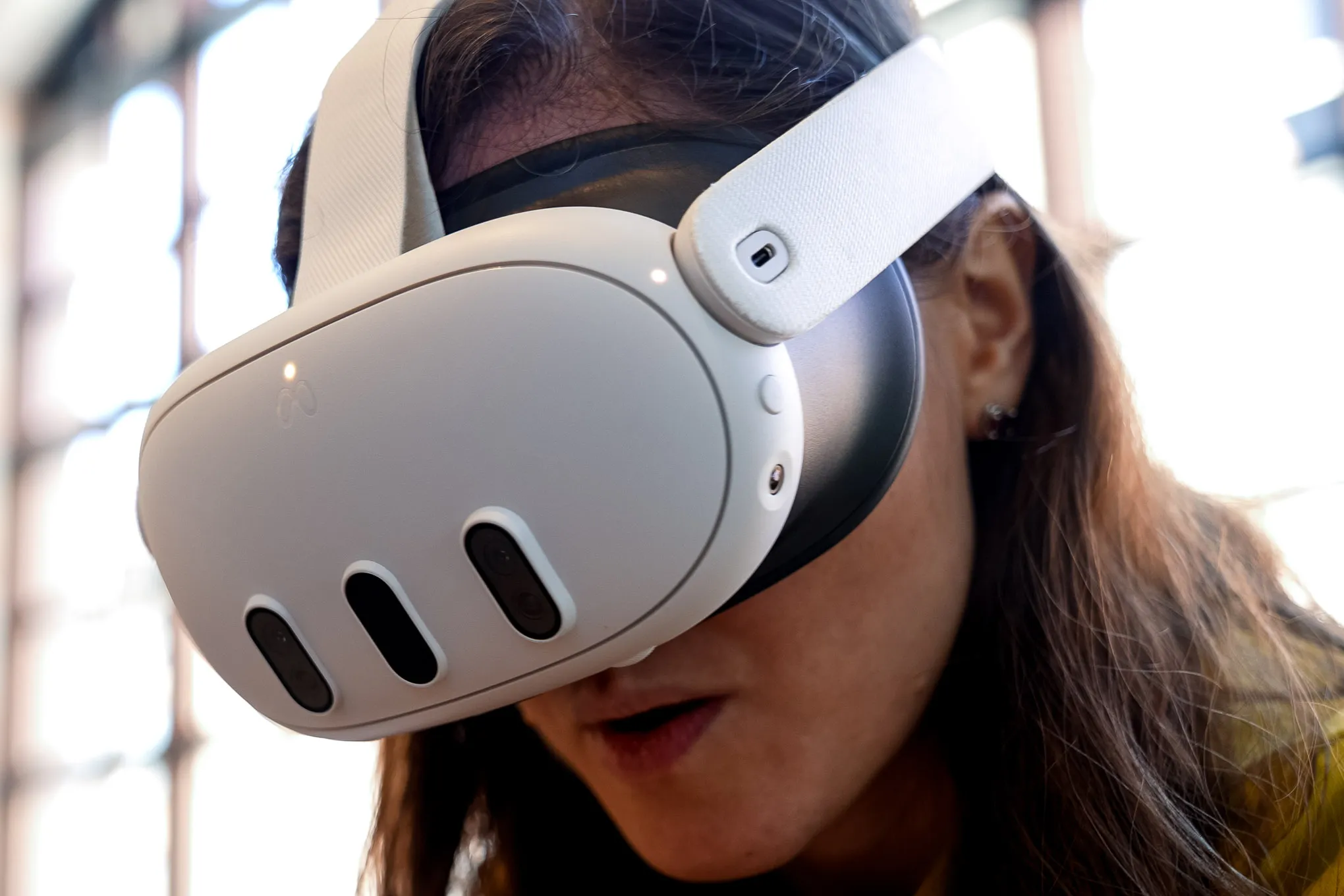
Consumers eager to step into virtual reality will soon have to dig a little deeper into their wallets. Meta has announced broad price increases for its popular Quest line of headsets, citing escalating costs for the memory components that power the devices. Starting April 19, every new Quest 3 and Quest 3S model will carry a higher price tag, and refurbished units will climb in cost as well. The company blames the hikes on a global shortage of dynamic random-access memory (DRAM)—a crucial ingredient in everything from phones to laptops—and insists the adjustment is necessary to maintain product quality.
What’s changing and by how much?
The soon-to-be-released pricing structure affects three specific configurations:
- The 128 GB Quest 3S moves from $299.99 to $349.99, a $50 increase.
- The 256 GB Quest 3S rises from $399.99 to $449.99, also $50 more.
- The flagship Quest 3 climbs from $499.99 to $599.99, adding $100 to its MSRP.
Refurbished hardware does not escape the mark-ups:
- Refurbished 128 GB Quest 3S: $319.99 (up $50 from $269.99).
- Refurbished 256 GB Quest 3S: $409.99 (up $50 from $359.99).
- Refurbished Quest 3: $549.99 (up $170 from $379.99).
Accessories—controllers, charging docks, head straps, and carrying cases—will retain their current prices for now.
RAM: the invisible cost driver
Meta’s public statement places the blame squarely on soaring memory prices. “The cost of building high-performance VR hardware has risen significantly,” the company explained. “The global surge in the price of critical components—specifically memory chips—is impacting almost every category of consumer electronics, including VR. To keep delivering the quality of hardware, software, and support you expect from the Quest platform, we need to adjust our pricing.”
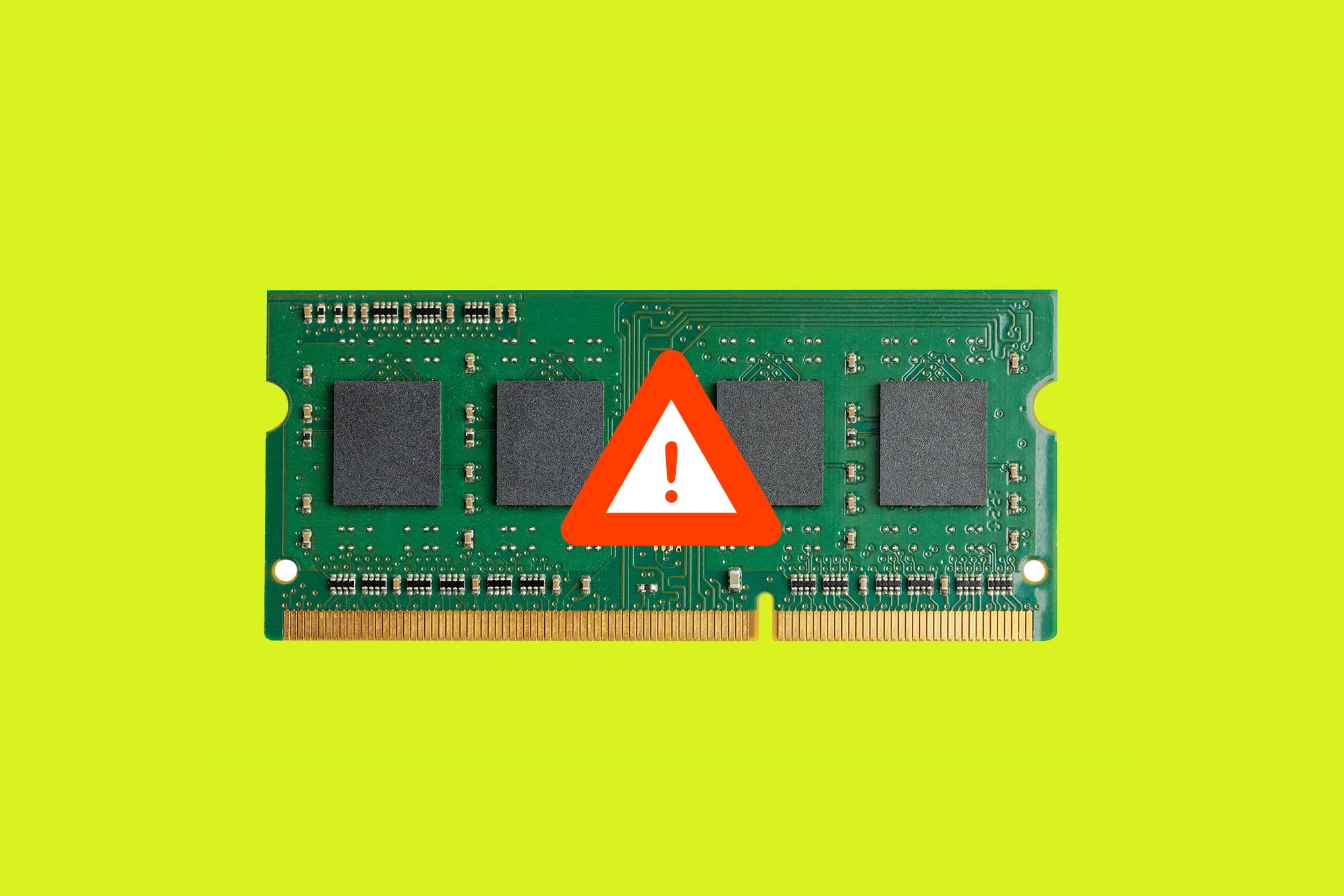
Dynamic RAM has been in short supply since late 2024, when multiple foundries experienced simultaneous production bottlenecks brought on by capacity constraints, extreme weather events in Asia, and stronger-than-expected demand from data-center operators investing in generative AI. Analysts say the crunch likely will not ease until the second half of 2027, leaving companies to grapple with higher component expenses in the meantime.
Meta isn’t alone
With these new figures, Meta joins a growing roster of tech manufacturers that have raised prices on consumer electronics in response to the memory crunch. Recent examples include:
- Samsung’s Galaxy S-series phones and Tab S tablets, which went up by $50–$120 depending on configuration.
- Microsoft’s Surface Pro and Surface Laptop lines, each seeing $100–$150 increases across various SKUs.
- Lenovo’s Legion Go 2 handheld gaming PC, now $70 more than when it launched.
- Sony’s PlayStation 5, recently bumped by $50 in many major markets.
This domino effect highlights how critical memory is to modern devices. Whether rendering photo-realistic game worlds, handling multitasking on a tablet, or training AI models in the cloud, applications rely on large pools of fast RAM. When supply tightens, companies must choose between shrinking margins or charging consumers more. Most are opting for the latter, though some have introduced base models with less RAM to keep entry prices stable.
Why refurbished units are climbing even faster
One eye-catching detail in Meta’s announcement is the disproportionate increase for refurbished Quest 3 headsets—up $170, compared with the $100 uptick for brand-new units. Refurbished devices depend on a steady flow of replacement parts, including memory modules that have to be qualified and tested. Because these parts come from the same supply chain as new components, refurbishers pay the same elevated rates. Meta’s internal calculations suggest the previous refurbished price no longer covers labor, testing, and the now-costlier memory, prompting the sharper adjustment.
Smart glasses stay steady—for now
One category remains unaffected: Meta’s line of smart glasses, built in collaboration with Ray-Ban. A company spokesperson confirmed there is “no expectation” of immediate price changes for the eyewear. Analysts attribute this to two factors: the glasses contain significantly less RAM than a full VR headset, and Meta may be using them as a beachhead to grow a nascent market. Any price bump could slow adoption and undermine momentum the company has worked hard to build.
Market reaction and consumer sentiment
Initial response from the VR community has been mixed. Enthusiasts who track component prices closely were unsurprised, noting that a 30 percent increase in DRAM spot prices over the past six months made hikes inevitable. Casual gamers and newcomers, however, expressed frustration that the entry cost of premium VR keeps drifting upward, especially at a time when inflation continues to bite across multiple sectors.
Retailers are bracing for a short-term surge in orders ahead of the April 19 cutoff. “Anytime a manufacturer warns of a price change, you see a rush,” said Aaron Patel, general manager of an electronics chain in Chicago. “We’ve bumped up inventory on the existing Quest 3S units so customers can grab them before the new sticker applies.”
Whether demand remains robust after the adjustment is less clear. Past price bumps for high-profile consoles and phones have produced only modest drops in unit sales—proof, analysts say, that early adopters tend to absorb increases. Yet VR still sits at the intersection of gaming, fitness, and productivity, and some observers believe the category is more sensitive to sticker shock than established segments like smartphones.
Imagem: Becca Farsace/The
Could Meta absorb the costs instead?
Critics argue that one of the world’s most valuable tech companies could swallow a temporary margin hit rather than pass costs to customers. Meta counters that hardware is already a low-margin business compared with its lucrative advertising arm. Subsidizing headsets further, executives claim, would hinder ongoing investments in VR software, developer tools, and the metaverse ecosystem.
IDC analyst Lisa Cheng sides partially with Meta’s reasoning. “Yes, Meta has deep pockets, but we’ve seen time and again that selling hardware below cost is unsustainable long-term,” she said. “Look at what happened to Google with the original Pixelbook or Microsoft’s early Surface models—they eventually had to raise prices or discontinue unprofitable lines.”
Longer-term outlook
Supply-chain experts predict memory prices will remain elevated through mid-2027, though volatility is likely. If production ramps up faster than anticipated or consumer demand weakens during an economic slowdown, spot prices could fall, opening the door for price corrections. Meta, for its part, has not ruled out future reductions. “We continually evaluate market conditions,” the company noted, hinting that lower manufacturing costs could be passed along if and when they materialize.
In the meantime, prospective VR buyers have limited options: purchase a headset before April 19, wait for seasonal discounts, or explore older models like the Quest 2, which Meta discontinued but is still available through third-party sellers. Each path comes with trade-offs in performance, warranty coverage, and community support.
FAQ
Why is Meta increasing Quest headset prices?
Meta cites a global shortage of memory chips, which has raised the cost of manufacturing high-performance VR hardware. The company says maintaining quality requires passing some of that expense on to consumers.
When do the new prices take effect?
The updated pricing goes live on April 19. Purchases completed before that date will reflect the current, lower MSRPs.
What are the new prices for each model?
- Quest 3S (128 GB): $349.99
- Quest 3S (256 GB): $449.99
- Quest 3: $599.99
- Refurbished Quest 3S (128 GB): $319.99
- Refurbished Quest 3S (256 GB): $409.99
- Refurbished Quest 3: $549.99
Are accessories affected?
No. Controllers, charging docks, straps, and cases remain at their current prices.
Will Meta’s smart glasses also become more expensive?
At present, no price increase is planned for the Ray-Ban smart glasses. The company says the memory shortage does not impact that product line to the same extent.
Is this part of a wider trend in consumer tech?
Yes. Samsung, Microsoft, Lenovo, and Sony have all raised prices on flagship devices in recent months due to higher DRAM costs.
Could prices drop again if memory becomes cheaper?
Possibly. Meta says it reviews manufacturing expenses regularly and may adjust retail prices if component costs fall in the future.