
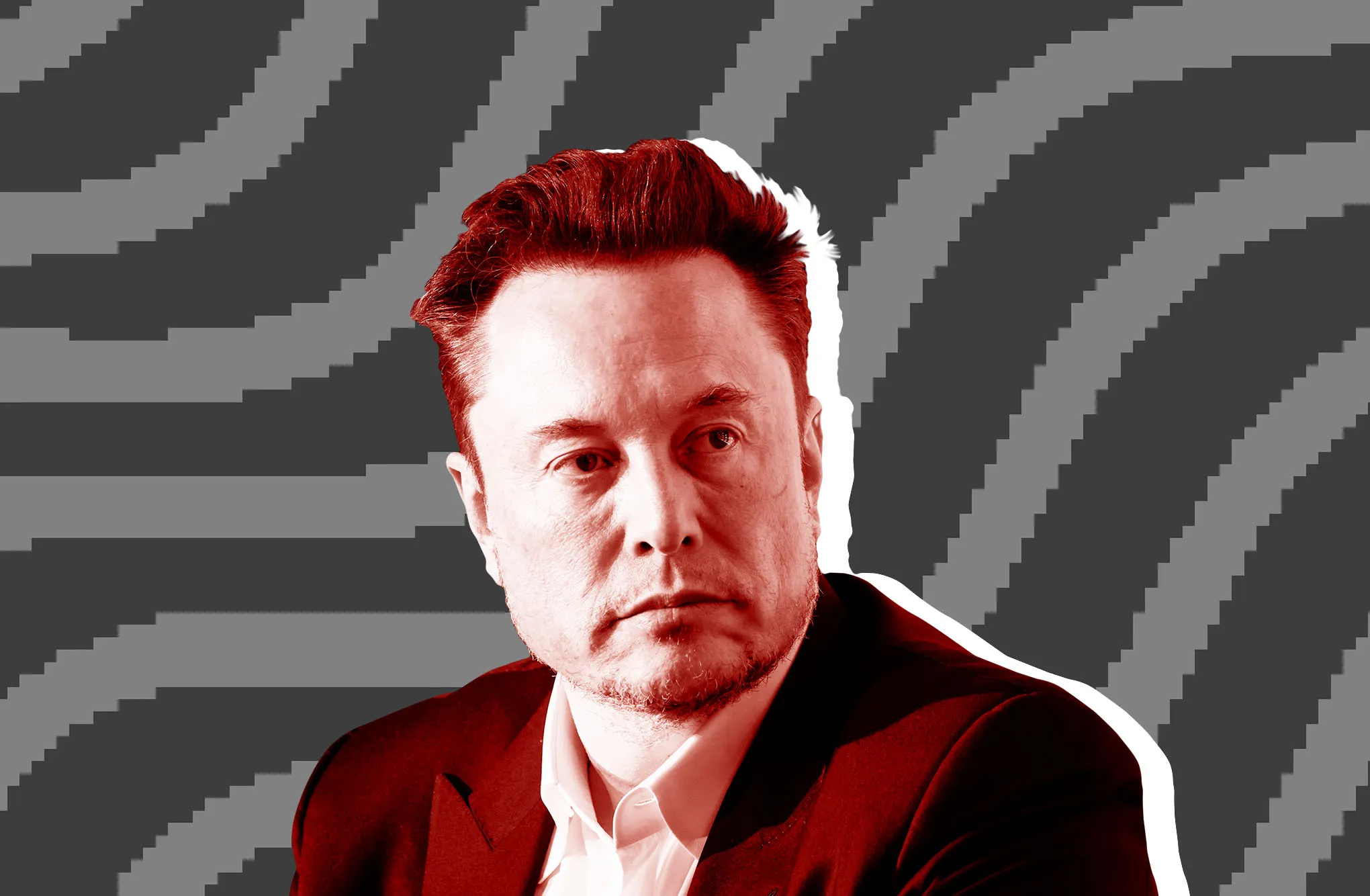
Senator presses Musk for answers on safety and compliance as new payments venture nears launch
Elon Musk’s ambition to transform his social platform X into a one-stop financial hub is encountering fresh political headwinds. Days after the billionaire announced that an early public version of the forthcoming service — internally called “X Money” — is slated to arrive this month, Senator Elizabeth Warren (D-MA) demanded detailed explanations on how the product will protect consumers, safeguard national security, and avoid fueling illicit finance.
A pointed letter to the world’s richest man
In a nine-page letter sent on Tuesday, Warren, the top Democrat on the Senate Committee on Banking, Housing, and Urban Affairs, laid out what she described as a “troubling record” that undermines confidence in Musk’s ability to run a regulated payments network. The senator cited a series of controversies surrounding X, from the platform’s struggles to curb child sexual-abuse material to its decision to sell premium subscriptions to users linked to U.S.-sanctioned militant groups.
“This track record raises serious questions about the privacy, scams and frauds, and illicit-finance risks X Money may pose,” Warren wrote.
Warren gave Musk until April 21 to respond to more than a dozen questions covering topics such as bank partnerships, anti-money-laundering controls, data privacy policies, and whether the company intends to issue its own cryptocurrency or stablecoin.
What is X Money?
Musk has shared few public details about the project, but former X chief executive Linda Yaccarino outlined a broad roadmap last year. According to Yaccarino, users will be able to:
- Load funds into an “X Wallet” through Visa’s Direct service;
- Link debit cards to send peer-to-peer payments much like existing money-transfer apps;
- Transfer balances from the wallet to traditional bank accounts.
In recent weeks, select celebrity testers — notably actor William Shatner — posted screenshots showing an early build of the wallet. One image indicated that customer deposits would be “held by Cross River Bank,” a small New Jersey lender that has become a popular banking-as-a-service partner for fintech start-ups. That disclosure, however, only intensified Warren’s concern.
Why Cross River Bank is under the microscope
The senator’s letter notes that the Federal Deposit Insurance Corporation hit Cross River with a formal enforcement action in 2023, alleging “unsafe or unsound practices” and violations of fair-lending rules. It was not the first time regulators had cited the bank; the FDIC issued a separate enforcement order in 2018 over alleged unfair and deceptive practices.
Warren asked Musk to confirm whether Cross River is officially the custodial institution for X Money and to provide documentation showing that the bank has remediated the issues identified by regulators. She also requested information about any additional banking partners and whether X Money will ultimately seek its own state money-transmitter or federal bank charter.
Lingering worries about sanctioned users and illegal content
Warren drew a straight line between X’s existing moderation problems and the potential for misuse of its payments platform. Citing a recent investigation by a nonprofit watchdog group, she argued that the company has allowed individuals connected to Hezbollah and Yemen’s Houthi movement — both subject to U.S. sanctions — to purchase blue-check subscriptions, effectively giving them “paid amplification.” If bad actors are able to monetize content on the social network today, she warned, the same or worse could happen once money can move natively through the platform.
The letter also referenced X’s artificial-intelligence chatbot “Grok,” noting external reports that the tool had generated sexual imagery involving minors. While Musk’s team has disputed such findings, Warren contended that the episodes illustrate a “failure to implement basic compliance controls.”
A changing regulatory landscape
The senator’s request comes at a pivotal moment for the oversight of digital payment apps. In 2024, the Consumer Financial Protection Bureau (CFPB) finalized a rule clarifying that peer-to-peer services fall squarely under its supervisory umbrella. Yet the letter highlights how the agency’s enforcement capabilities have been in flux.
Warren pointed to the short-lived tenure of Acting Director Mark Vought, who arrived at the CFPB last year amid a budget dispute and quickly slashed staff, shuttered regional offices, and directed lawyers to drop several ongoing lawsuits against financial-services firms. Although many of Vought’s actions were later reversed, Warren argued that the episode left gaps that companies like X could exploit if regulators “fail to keep pace.”
The crypto question looms large
One of the most pointed queries in Warren’s letter asks whether X Money plans to issue or facilitate stablecoins — cryptocurrencies pegged to a fiat currency such as the U.S. dollar. The concern stems in part from a controversial provision in last year’s “GENIUS Act,” which offered certain large technology platforms a streamlined pathway to launch their own dollar-backed tokens.
Musk has repeatedly expressed enthusiasm for digital assets. He famously pushed Dogecoin’s price higher via memes, and under his stewardship X has integrated a price-chart widget for Bitcoin, Ethereum, and Dogecoin. Yet he has not publicly committed to minting a platform-native coin. Warren argued that, given the volatility and patchwork regulation of crypto markets, any move into stablecoins would warrant heightened scrutiny.
Data privacy, advertising, and monetization
Payments data is among the most sensitive consumer information. It reveals not just where and how much people spend, but potentially political affiliations, medical conditions, and intimate personal habits. Warren sought clarity on whether X intends to monetize that data for targeted advertising or share it with third parties.
Historically, Musk has been an outspoken critic of ad-driven business models and has advocated for subscription revenue as an alternative. However, advertising remains a key source of income for X. Warren said she wants a detailed description of “all data points that will be collected through X Money” and how long the company will store them.
Imagem: Cath Virginia
Industry reaction and next steps
Financial-technology experts say Warren’s letter could foreshadow a broader congressional push to establish guardrails around “super-app” models that mix social media and banking. While many lawmakers have long praised Silicon Valley’s ability to innovate, the collapse of several high-profile crypto ventures and last year’s regional-bank turmoil have hardened attitudes toward tech firms entering core financial functions.
“The question is less about whether X Money can comply with the law and more about whether it will choose to,” said Sarah Hammer, managing director of the Stevens Center for Innovation in Finance at the Wharton School. “Given the platform’s history of taking an aggressive stance toward regulators, I expect a tough road ahead.”
Musk has not yet made a public statement in response to Warren’s letter. X’s media-relations account, which auto-replies with the emoji for excrement to many press inquiries, did not provide additional comment.
If Musk does answer Warren’s list of questions, the exchange could become a template for how lawmakers probe other social networks looking to add payment rails. TikTok, Snapchat, and Meta’s WhatsApp are all experimenting with in-app wallets or peer-to-peer transfers, hoping to replicate the success of Asian super-apps like China’s WeChat and Indonesia’s GoTo.
The stakes for consumers
The appeal of bundling social and financial life is clear: friction-free payments, tipping creators, instant checkout for products discovered in a post, and perhaps lower fees than incumbent card networks charge. Yet the merger also magnifies risks. A phishing link disguised as a viral video could drain an attached wallet. Coordinated misinformation campaigns could be covertly financed without leaving the traditional banking trail. And if a platform suffers a data breach, hackers might gain access to both personal conversations and transaction histories.
Warren’s intervention, therefore, is not merely another skirmish between a progressive senator and a polarizing tech mogul. It underscores a fundamental debate about who should set the rules of the emerging digital economy: elected officials and career regulators, or the entrepreneurs building the platforms.
Key questions Musk must answer by April 21
- Which financial institutions, including Cross River Bank, will hold customer deposits?
- Has X Money applied for money-transmitter licenses in every state that requires them?
- What specific controls will detect and block transactions linked to sanctioned entities?
- Does X plan to launch a stablecoin or facilitate existing cryptocurrencies within the wallet?
- How will the service protect minors and prevent the spread of child-sexual-abuse material in transactions or messaging?
- Will consumer transaction data be sold, shared, or used for targeted advertising?
- What insurance or reimbursement scheme will cover users if funds are stolen through fraud or hacks?
The senator has requested that Musk provide written answers, along with supporting documentation, e-mail correspondence with regulators, and a list of all third-party vendors helping to build the wallet infrastructure.
How Musk responds — or fails to respond — could shape the narrative around X Money’s debut. For now, the service remains in a closed beta with a small circle of testers, but the political scrutiny is already anything but secret.
FAQ
When is X Money expected to launch?
Elon Musk has said the platform will enter an “early public access” phase sometime in April, although no exact date has been announced.
What features are currently planned for X Money?
According to previous company statements, users will be able to load funds into a digital wallet, link debit cards for peer-to-peer transfers, and move money to or from traditional bank accounts. Additional crypto-related features have been hinted at but not confirmed.
Why is Senator Elizabeth Warren involved?
As a senior member of the Senate Banking Committee, Warren oversees consumer-protection and financial-stability issues. She has questioned whether Musk’s platform can securely handle payments without facilitating fraud, sanctions evasion, or data misuse.
Who is Cross River Bank, and why does it matter?
Cross River is a regional bank that provides back-end services to many fintech start-ups. It has faced multiple FDIC enforcement actions related to lending practices, prompting Warren to request assurances that it can safely hold X Money deposits.
Could X Money issue its own cryptocurrency?
Musk has not ruled it out, and a recent federal statute makes such a launch easier for large tech firms. Warren wants clarity on whether a stablecoin is part of the roadmap and, if so, what consumer protections would apply.
What happens next?
Musk has until April 21 to reply to Warren’s questions. Depending on his answers, the matter could prompt committee hearings, additional regulatory filings, or new legislation aimed at governing social-media payment platforms.