Anthropic’s covert “Mythos” model is already on Washington’s radar—and the company is juggling a lawsuit, national-security briefings, and warnings about the future of work all at once.
A classified-style rollout for a civilian AI
When most tech firms announce a new model, they race to release a public demo. Anthropic did the opposite. Its newly revealed Mythos system is being withheld from open access because executives say its cybersecurity capabilities are simply too powerful for wide release. Before the public even learned the name, federal officials were invited behind closed doors to hear how the tool works and why it could matter for national defense.
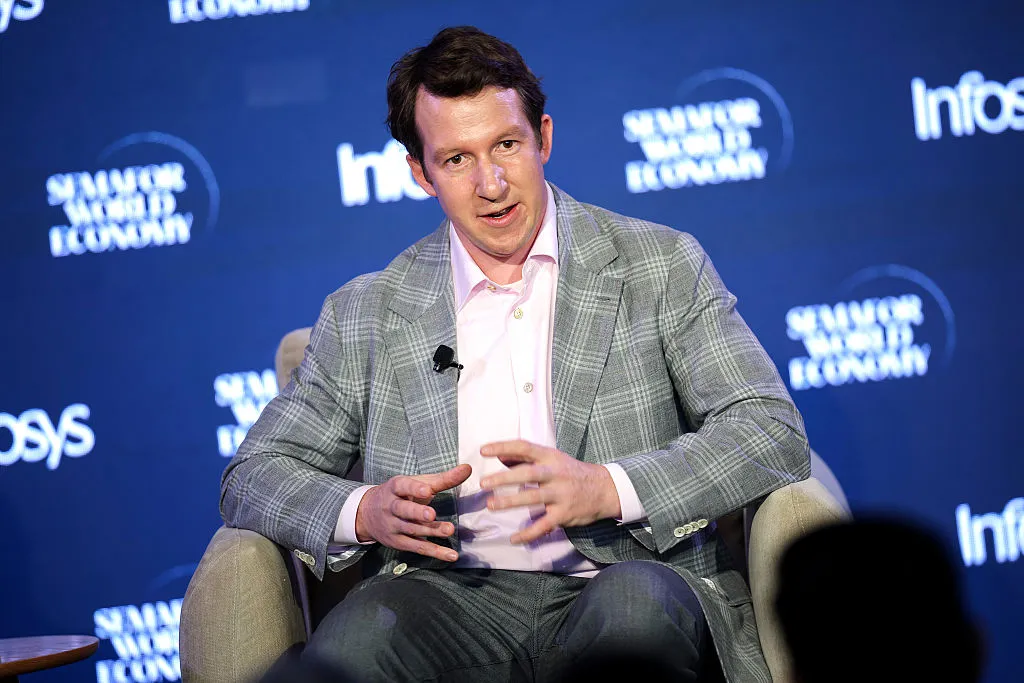
Co-founder Jack Clark, who heads the company’s Public Benefit division, confirmed this week that the Trump administration received an early briefing. Speaking on stage at the Semafor World Economy Summit, Clark said the government “has to know about this stuff,” framing the dialogue as essential when private research crosses into the realm of national-security “equities.”
Briefing the same government it’s suing
The cooperation is striking because Anthropic is simultaneously locked in litigation with the very agencies it is briefing. In March, the company sued Trump’s Department of Defense after the Pentagon labeled Anthropic a supply-chain risk, a tag that blocks certain contracts. The dispute stemmed from Defense officials asking for unrestricted access to Anthropic’s systems for sweeping surveillance programs and autonomous weapons development—requests the startup resisted. OpenAI ultimately secured the contract instead.
Clark downplayed the clash, calling it a “narrow contracting dispute.” He argued that the label should not interfere with broader collaboration, adding that Anthropic “cares about national security” and remains willing to share information on every major release, including Mythos and future successors.
Why Mythos worries its own creators
Details on Mythos remain scarce, but the company has made two points explicit. First, the model exhibits “powerful cybersecurity capabilities.” Second, those capabilities elevate the risk that malicious actors—state-sponsored or otherwise—could turn the tool against the very systems it was designed to protect. That fear, executives say, drove the decision to keep Mythos behind closed doors.
The approach mirrors a growing trend in cutting-edge AI: selective disclosure. Instead of open-sourcing code or letting anyone sign up, Anthropic is conducting targeted partnerships. According to reports confirmed by Clark, Trump officials encouraged major banks—JPMorgan Chase, Goldman Sachs, Citigroup, Bank of America, and Morgan Stanley—to pilot Mythos under tight controls.
Banks and national security—an emerging alliance
- Financial institutions manage a critical slice of U.S. infrastructure, making them prime targets for cyberattacks.
- By stress-testing Mythos in banking environments, policymakers hope to understand both its defensive potential and its offensive dangers.
- Anthropic gains real-world data while maintaining oversight, insulating itself from one-click public misuse.
Economic shocks on the horizon?
Beyond cybersecurity, Clark’s interview veered into AI’s macroeconomic impact. Anthropic chief executive Dario Amodei previously warned that large-scale automation could push unemployment to levels not seen since the Great Depression. Clark offered a slightly softer outlook but acknowledged real risks.
He leads an internal team of economists tracking labor trends. So far, they see “potential weakness” primarily in early-career graduate roles within select industries—a signal that white-collar entry points may thin as AI scales. Still, Clark insisted the company is “ready” if broader shocks emerge.
Advice for today’s students
Pressed on which degrees remain safe, Clark declined to blacklist any major outright. Instead, he championed interdisciplinary study that teaches “synthesis across a whole variety of subjects” and sharp analytical reasoning. In his view, AI grants near-limitless exposure to specialized knowledge; the competitive edge comes from knowing “the right questions to ask” and combining insights across domains.
A snapshot of Anthropic’s tightrope walk
Anthropic was founded to build artificial intelligence aligned with human values, a mission that often pulls the company into policy debates. Mythos pushes those stakes higher. On one hand, executives believe the model could fortify critical networks. On the other, they fear giving bad actors an unprecedented digital lock-pick.
The firm’s dual posture—litigation and partnership—highlights a larger dilemma for the AI sector. Cutting-edge models are arriving faster than the legal frameworks designed to govern them. Companies must protect their intellectual property, comply with shifting regulations, and maintain cooperative channels with the agencies empowered to restrict or sanction them.

Imagem: Getty
What happens next
Clark stated unequivocally that future iterations will also head to Washington first. That stance effectively creates a new pipeline: private companies brief federal officials before releasing advanced AI to customers or the public. Whether the approach becomes an industry standard—or triggers calls for mandatory government review—remains to be seen.
For now, Mythos stays in the vault. Banks will continue their controlled pilots, defense staffers will weigh its merits and dangers, and Anthropic lawyers will argue their case in court. The outcome could shape not only one startup’s trajectory but also the protocols that govern how transformative AI is shared with the world.
FAQ
What is Mythos?
Mythos is Anthropic’s newest artificial-intelligence model. Executives say its cybersecurity abilities are so advanced that public release could be dangerous.
Why brief the Trump administration?
Anthropic believes federal officials need early visibility into AI systems that could impact national security, even while the company is in a legal dispute with the same government.
Why is Anthropic suing the Department of Defense?
The Pentagon labeled Anthropic a supply-chain risk, blocking certain contracts. The company argues the designation is unfounded and stems from disagreements over unrestricted military use of its AI.
Are banks really testing Mythos?
Yes. Officials encouraged major U.S. banks to run controlled pilots to evaluate both defensive and offensive cybersecurity implications.
Could Mythos increase unemployment?
Anthropic’s leadership is divided on the severity, but both Jack Clark and CEO Dario Amodei acknowledge that AI could displace significant numbers of jobs if it scales rapidly.
Will Mythos ever be public?
No timeline has been announced. The company suggests access will stay restricted until it resolves the security concerns surrounding the model’s capabilities.