
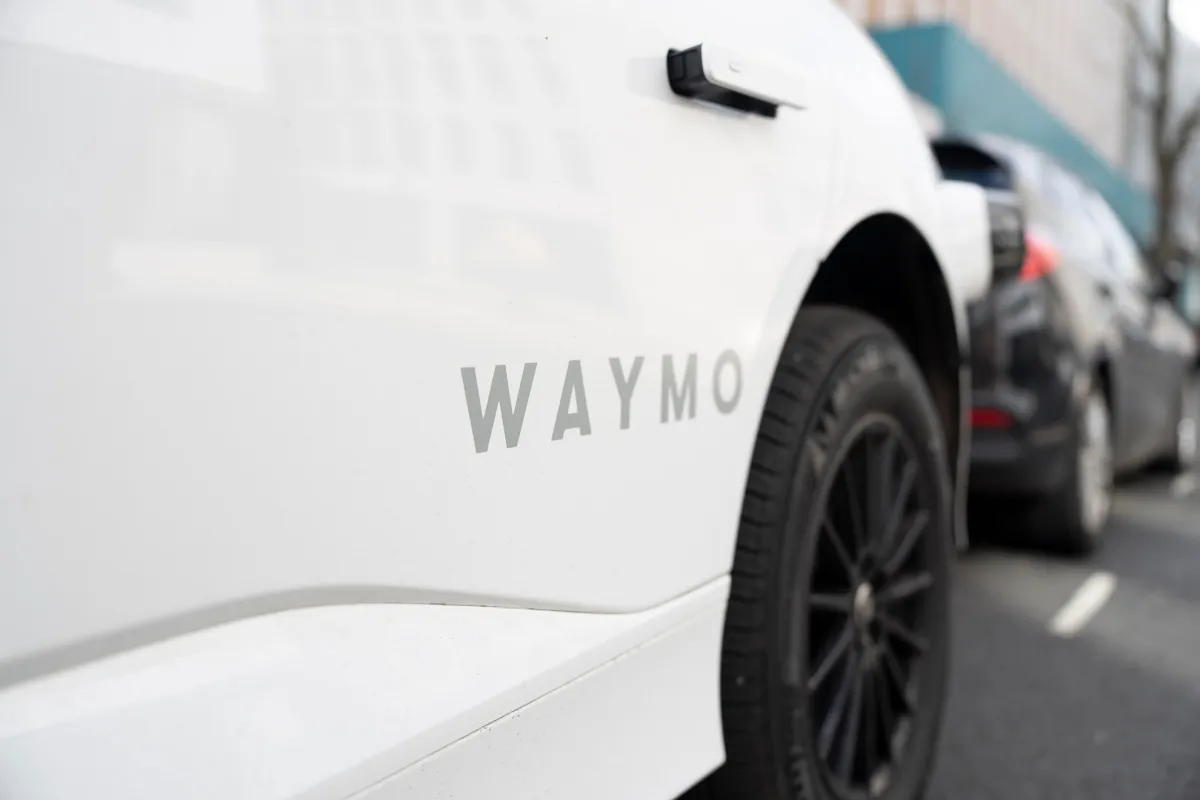
Waymo’s Driverless Jaguars Hit London Roads, Igniting Race for the City’s First Robotaxi Network
Traffic near King’s Cross and Paddington just got a high-tech twist. This week, Waymo unleashed its first wave of autonomous Jaguars onto London streets, marking the boldest step yet toward launching a commercial robotaxi service in the British capital.
A 100-Car Invasion—With Humans Still at the Wheel
The company quietly rolled out about 100 all-electric Jaguar I-Pace SUVs, each packed with Waymo’s custom self-driving hardware and software. For now, trained safety operators remain in the driver’s seat, ready to take control if anything goes wrong. The testing zone spans roughly 100 square miles—an area that stretches from the West End’s bustling theater district to the tech-heavy corridors of East London.
Waymo’s ultimate goal is “rider-only” service: robotaxis zipping across town with no human backup inside. Before that vision becomes reality, British regulators must finalize a safety framework that determines when and where fully driverless vehicles can operate. Waymo says it is working hand-in-hand with government officials so a public launch can happen in 2026.
Mapping Every Curb and Crosswalk
Waymo’s engineers spent months driving London streets the old-fashioned way—hands on the wheel, taking painstaking notes. Those trips fed reams of data into the company’s mapping system, which now enables the autonomous Jaguars to recognize everything from narrow roundabouts in Notting Hill to the labyrinth of bus lanes near Victoria Station.
“The core driving AI is generalizing very well,” co-CEO Dmitri Dolgov wrote in a celebratory LinkedIn post. According to him, London’s road quirks—right-side steering, aggressive cyclists, unpredictable weather—are a “crucial test” of the system’s versatility before it scales across Europe.
Investing on the Ground
Waymo is more than sprinkling a few cars around town. The Arizona-born company is hiring local engineers, operations staff, and fleet technicians. Multiple service centers are under construction in Greater London to recharge vehicles, swap sensors, and perform software updates. These facilities are also intended to support future European expansions.
The United Kingdom is hardly unfamiliar terrain for Waymo. Back in 2019, it purchased Latent Logic, an Oxford University spinout specializing in “imitation learning”—a type of machine learning that studies human driver behavior to improve virtual simulations. That move established a permanent engineering hub in Oxford and gave Waymo a toehold in Britain long before the first test car rolled through Piccadilly Circus.
A Crowded Starting Grid
The race to dominate London’s robotaxi market is wide open—and fiercely competitive. Home-grown startup Wayve, already testing in the capital, has public plans to launch a fully driverless service. Ride-hailing giant Uber, too, has signaled its intention to offer autonomous trips once regulations allow. In Tokyo, those three companies—Waymo, Wayve, and Uber—recently agreed to explore a pilot program with Nissan, aiming to put robotaxis on Japanese roads by late 2026.
London’s streets, notorious for congestion and legacy infrastructure, present a prestigious but punishing proving ground. Whichever operator successfully masters the city’s black-cab culture, complicated junctions, and endless river crossings could claim bragging rights as a global leader in urban autonomy.
Why London, Why Now?
Several forces have converged to make the capital an attractive next step for Waymo:
- Policy Momentum: The U.K. government is finalizing its long-awaited regulatory framework for self-driving vehicles, promising a clear path from testing to commercial service.
- EV Readiness: London’s dense network of charging infrastructure aligns with Waymo’s all-electric fleet, easing logistical headaches.
- Global Branding: Cracking a world city famous for double-decker buses and black cabs amplifies Waymo’s credibility far beyond Britain.
- Talent Pipeline: Proximity to leading universities—Imperial, UCL, and, of course, Oxford—supplies a steady flow of autonomous-vehicle expertise.
The Bigger Fleet Picture
London is only a slice of Waymo’s expanding empire. Company filings with U.S. regulators earlier this year placed its total fleet at more than 3,000 robotaxis. Those vehicles, including new minivan-style models built by Chinese automaker Zeekr, crisscross 11 American cities such as Phoenix, Austin, Los Angeles, and much of the San Francisco Bay Area.
Waymo tends to follow a repeated rollout playbook:
- Manual driving for high-resolution mapping
- Autonomous testing with safety drivers
- Employee-only “trusted tester” rides
- Limited public service in designated zones
- Full rider-only service, 24/7 operations
Londoners are currently in Stage 2. If all goes to plan, they could be ordering fully driverless rides via smartphone within two years.
Crunching the Economics
Robotaxis promise lower operational costs than traditional ride-hailing, yet the up-front investments are steep. Specialized sensors, redundant compute units, real-time data links, and maintenance hubs all stack up. Waymo hopes that utilizing an existing production vehicle—the Jaguar I-Pace—helps control hardware costs until purpose-built Zeekr vans arrive overseas.
Analysts suggest that serving dense routes between Heathrow, Canary Wharf, and central London could quickly soak up demand, giving Waymo scale to dilute costs. However, local unions have already raised concerns about job displacement among cab drivers. Regulators will likely weigh those socioeconomic impacts alongside safety metrics before giving a final green light.
Safety—The Deal-Breaker
In Britain, the Department for Transport is crafting guidelines that cover everything from remote-operator intervention protocols to cybersecurity standards. Waymo’s spotless public safety record will be scrutinized line by line against thousands of autonomous-mile logs.
The company says it’s collaborating with local police, ambulance teams, and firefighters to establish clear playbooks for incidents involving driverless cars—whether it’s a minor fender-bender in Soho or a sensor error in a Bank intersection tunnel.
Imagem: Getty
Regulatory Milestones Ahead
- 2024 Q4: Publication of final U.K. autonomous-vehicle regulations
- 2025 Q1: Waymo expected to begin driverless testing (no safety driver)
- 2025 Q3: Limited employee rides across select London boroughs
- 2026: Public launch of commercial robotaxi service
Any slippage in these milestones could push Waymo’s London debut further out—or open the door wider for rivals.
What It Means for Riders
Imagine tapping your phone outside Victoria Station and stepping into a Jaguar that greets you by name, adjusts the climate control to your preference, and glides off without a human in sight. Trip costs are expected to undercut traditional ride-hailing, especially during off-peak hours. Because every robotaxi is electric, local officials hope widespread adoption will trim both emissions and notorious inner-city noise.
For tourists, the novelty factor could be irresistible: a self-driving car navigating the chaos of Oxford Street or sliding across Tower Bridge at dawn. For residents, the selling points will be price, convenience, and reliability—three metrics Waymo must deliver on day one to gain loyalty in a city spoiled by black cabs and an extensive public-transport network.
The Road Ahead
Waymo’s London gamble signals a maturing industry ready to cross oceans and cultural divides. If these Jaguars can master the city’s medieval streets and modern traffic schemes, the rest of Europe may open up quickly. Conversely, a single high-profile mishap could set the entire continent’s rollout back years.
For now, curious Londoners should keep an eye out for sleek SUVs topped with spinning LiDAR domes. Behind those sensors lies a silent contest among tech titans, regulators, and public opinion—all steering toward a future where the steering wheel may no longer need a human touch.
FAQ
When will Londoners be able to hail a fully driverless Waymo?
Current projections point to 2026, pending regulatory approval and successful safety testing.
How large is Waymo’s London test fleet?
Approximately 100 Jaguar I-Pace vehicles are operating with safety drivers across a 100-square-mile zone.
Will the service be more affordable than a traditional taxi?
Waymo aims to undercut standard ride-hailing fares by removing the human-driver cost, though exact pricing has not been announced.
What’s unique about London roads compared to U.S. cities?
Left-side driving, heavy use of roundabouts, dense bike traffic, complex bus lanes, and narrow historic streets create a distinct challenge for autonomous systems.
Who are Waymo’s main competitors in the city?
U.K. startup Wayve and global ride-share giant Uber both plan to operate fully driverless services in London once regulations permit.
Is Waymo testing outside the United States only in London?
No. The company is also conducting autonomous trials in Tokyo and exploring other international markets.
How does Waymo ensure safety during these tests?
Each vehicle carries a trained safety operator, and the company collaborates with local emergency services. All trips generate detailed logs that are audited for performance and potential risks.
Will the fleet remain all Jaguar SUVs?
The initial rollout uses Jaguar I-Pace models, but Waymo has hinted that purpose-built Zeekr vans could join the London lineup in the future.
Could autonomous taxis impact local employment?
Unions fear potential job losses among cab and ride-hail drivers. Regulators are expected to consider economic implications alongside safety before approving large-scale deployment.