

Wall Street Braces for a Packed Earnings Calendar as Tech Titans Take the Spotlight
The first-quarter reporting season enters its most demanding stretch this week, setting the tone for investor sentiment after the S&P 500 closed at a record high on Friday. Ninety-four members of the large-cap benchmark will unveil results, including electric-vehicle pioneer Tesla, which is due to report after the bell on Wednesday. With markets still weighing the economic impact of elevated oil prices and uneasy Middle East geopolitics, the coming days promise a telling snapshot of corporate health.
Why This Week Matters
Roughly 19% of the S&P 500’s constituents will open their books, making this the third-busiest week of the season. Beyond Tesla, investors will parse numbers from aerospace giant Boeing, software platform ServiceNow, credit-card stalwart American Express, industrial conglomerate 3M, insurer Chubb, and biotechnology firm Gilead Sciences. Each operates in sectors that have delivered mixed signals so far, and together they will either reinforce or challenge the narrative of resilient corporate earnings.
According to data compiled from corporate reports and consensus forecasts, 88% of companies that have already posted results beat Wall Street estimates. That surpasses the long-term average of roughly 76% and reflects strong showings in financials and communication services. Yet the headline figure hides pockets of weakness: energy producers, for example, have seen downward revisions as oil-price volatility squeezes margins.
The Numbers Investors Are Watching
- The S&P 500’s “blended” earnings growth rate—actual results combined with remaining projections—stands at 13.1% compared with the same quarter last year. At quarter-end, the estimate was 13.2%, suggesting only a slight deterioration even before the heaviest reporting slate.
- Looking further out, analysts expect profits to rise 18.0% for full-year 2026 and 16.4% in 2027. Those forecasts hinge on continued consumer strength, stable interest rates, and manageable inflation—assumptions that will be tested by upcoming corporate commentary.
- Market breadth remains an issue. The so-called “Magnificent Seven”—Microsoft, Meta Platforms, Amazon, Apple, Nvidia, Alphabet, and Tesla—have again powered most of the index’s advance, jumping 8.5% last week alone. Their collective weight means a single disappointment can ripple through broad-based exchange-traded funds and index futures.
Tesla Commands Center Stage
Tesla’s quarterly report is widely considered the marquee event. Analysts will zero in on vehicle-delivery numbers, profit margins, and progress on new models such as the Cybertruck. Rising raw-material costs and intense price competition in China have already forced management to guide cautiously, but investors still count on the company to produce upside surprises in technology initiatives like battery storage and energy-generation products.
Tesla is also the only member of the Magnificent Seven reporting this week. Should it deliver better-than-expected revenue and margins, the upbeat tone could offset weakness elsewhere—particularly in the energy patch, where exploration and production companies have been hit by shifting oil-price expectations. Conversely, a Tesla miss could raise fresh doubts about the sustainability of mega-cap growth valuations.
Sectors in the Hot Seat
Financials came out swinging early in the season, with large banks such as JPMorgan Chase, Citigroup, Bank of America, and Morgan Stanley all topping forecasts on robust net-interest income and resilient credit quality. Their performance has been the single biggest contributor to positive revisions so far.
Communication services—home to streaming, social-media, and telecommunications firms—has also delivered strong beats. Digital advertising rebounded faster than expected, while cost-cutting programs enacted in 2025 continue to bolster margins.
The energy sector, however, is the current laggard. Despite a jump in crude prices linked to Middle East tensions, earnings prospects have dimmed as hedging losses and higher production expenses chip away at cash flow. Investors will watch for any signs of stabilizing costs or revised capital-spending plans when additional oil majors report in the weeks ahead.
Geopolitics Adds Another Variable
The backdrop of uncertainty in the Persian Gulf remains in focus. Recent negotiations aimed at winding down U.S. military operations in the region have pushed betting markets to assign an 84% probability that troops exit by the end of June. Nonetheless, occasional flare-ups have reminded traders that oil prices can re-inflate quickly, complicating inflation forecasts and Federal Reserve policy expectations.
For corporate managers, elevated energy prices translate into higher logistics and input costs, prompting many to incorporate wider ranges in forward guidance. Investors will therefore read not only top- and bottom-line numbers but also management commentary on visibility for the remainder of 2026.
Small Caps Find Their Footing
Interestingly, last week’s rally was not confined to large technology names. The Russell 2000 index of smaller companies outpaced the S&P 500 as investors rotated into domestically focused firms perceived to be less exposed to global shocks. That move, if sustained, could fuel a long-awaited broadening of market leadership—though it hinges on small-cap earnings, which are particularly sensitive to borrowing costs and wage inflation.
Recession Odds Remain Tame
Real-time probability models pegged the odds of a U.S. recession in 2026 at 24%, well below the peaks reached during the height of Middle East hostilities earlier this year. Continued strength in labor markets and consumer spending has kept the economy chugging along, even as the Fed maintains a moderately restrictive stance. Corporate outlooks issued this week will either validate the soft-landing thesis or revive talk of an economic downturn.
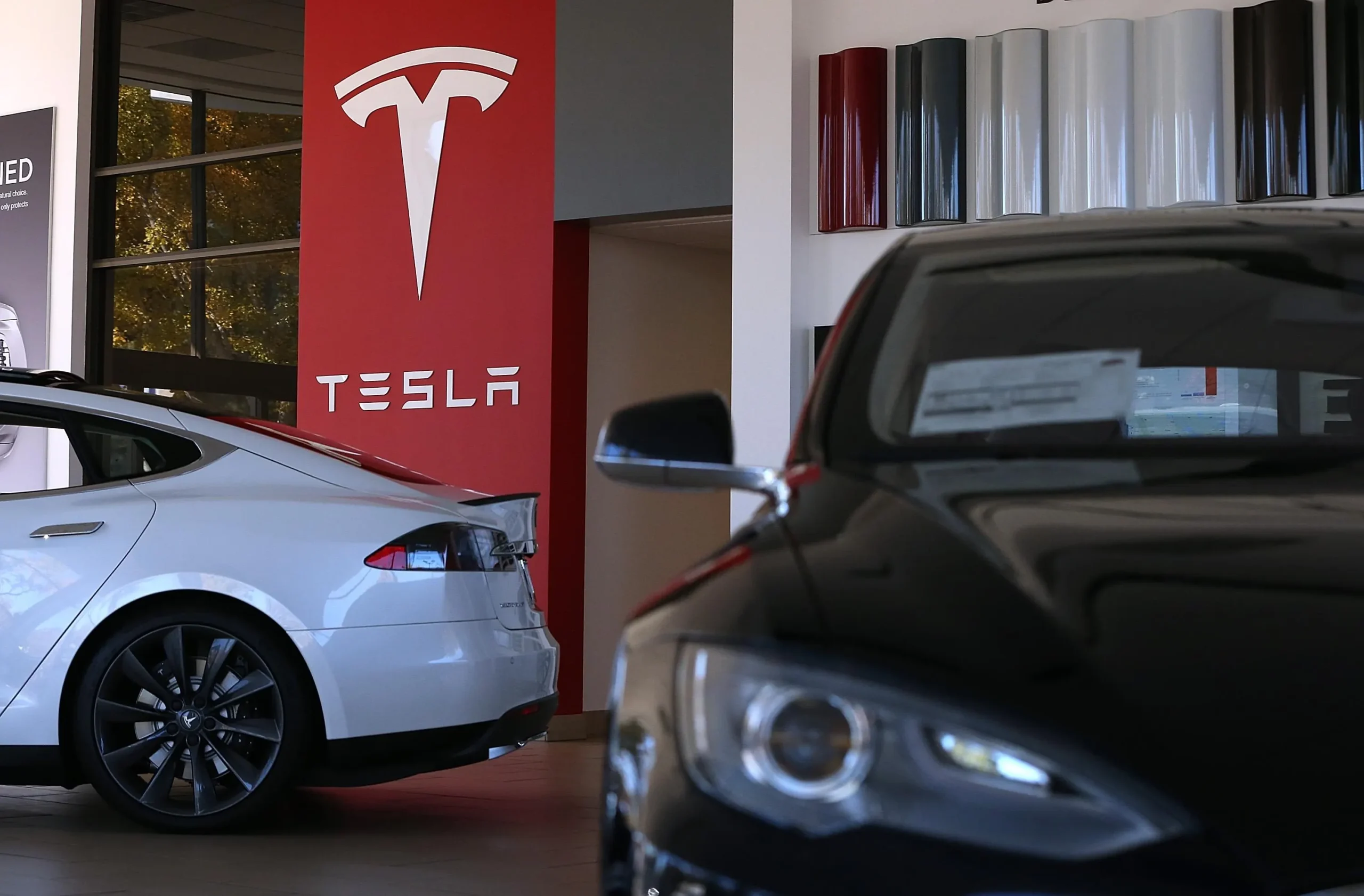
Imagem: Internet
Key Themes to Monitor
- Margin resilience: Companies have so far protected margins through price hikes and improved productivity. Investors want proof that these levers still have room to run.
- Capital allocation: With share buybacks and dividends under scrutiny, management teams will be pressed to justify how they are deploying excess cash.
- Inventory management: After two years of supply-chain disruptions, attention is shifting to the risk of overstocking as consumer spending patterns normalize.
- AI spending: Tech heavyweights have poured billions into artificial-intelligence infrastructure. Markets crave evidence that monetization is keeping pace with investment.
- Currency impact: A firmer U.S. dollar can erode overseas revenue translation. Multinationals will outline hedging strategies to mitigate forex headwinds.
What a Strong Quarter Could Mean
If the blended earnings growth rate accelerates as more firms report, bulls will argue that today’s valuation premium is justified. The S&P 500 trades at roughly 20 times forward earnings—above the 10-year average near 17—but still below the peaks set during the post-pandemic boom in 2021. A positive surprise from this week’s slate would likely embolden calls for new highs later in the summer.
Yet even modest disappointment could magnify volatility. Options positioning indicates that traders expect wider price swings around megacap reports, a sign that portfolios are more sensitive to single-stock risk than in previous cycles. That dynamic underscores how crucial the next few days will be in shaping quarterly—and possibly annual—performance for diversified funds.
Looking Ahead
The curtain will not fully close on first-quarter earnings until mid-May, but by the end of this week more than half of the S&P 500’s market capitalization will have reported. That critical mass should provide a clearer picture of whether corporate America is on track to deliver the double-digit profit growth analysts project for the rest of the year.
For now, the path of least resistance appears higher, buoyed by strong bank results, still-solid consumer demand, and the promise of artificial-intelligence adoption. All eyes, however, remain on Tesla’s numbers and commentary—which could either reinforce market optimism or introduce fresh uncertainty at a delicate moment.
FAQ
Why is Tesla’s report so important?
Tesla represents a sizable share of the S&P 500 and is the only member of the influential Magnificent Seven reporting this week. Its results can sway market sentiment and influence technology valuations.
How many companies are reporting this week?
Ninety-four S&P 500 constituents are slated to release earnings, making it the third-busiest week of the season.
What is the current blended earnings growth rate?
The combined actual and projected year-over-year growth for the index stands at 13.1% for the first quarter.
Which sectors have stood out so far?
Financials and communication services have posted the strongest beats, while energy has seen downward revisions.
How are recession odds trending?
Real-time models place the likelihood of a U.S. recession in 2026 at about 24%, down sharply from recent highs.
What external factors are influencing markets?
Middle East geopolitics, oil-price fluctuations, and Federal Reserve policy remain key variables in the outlook.
